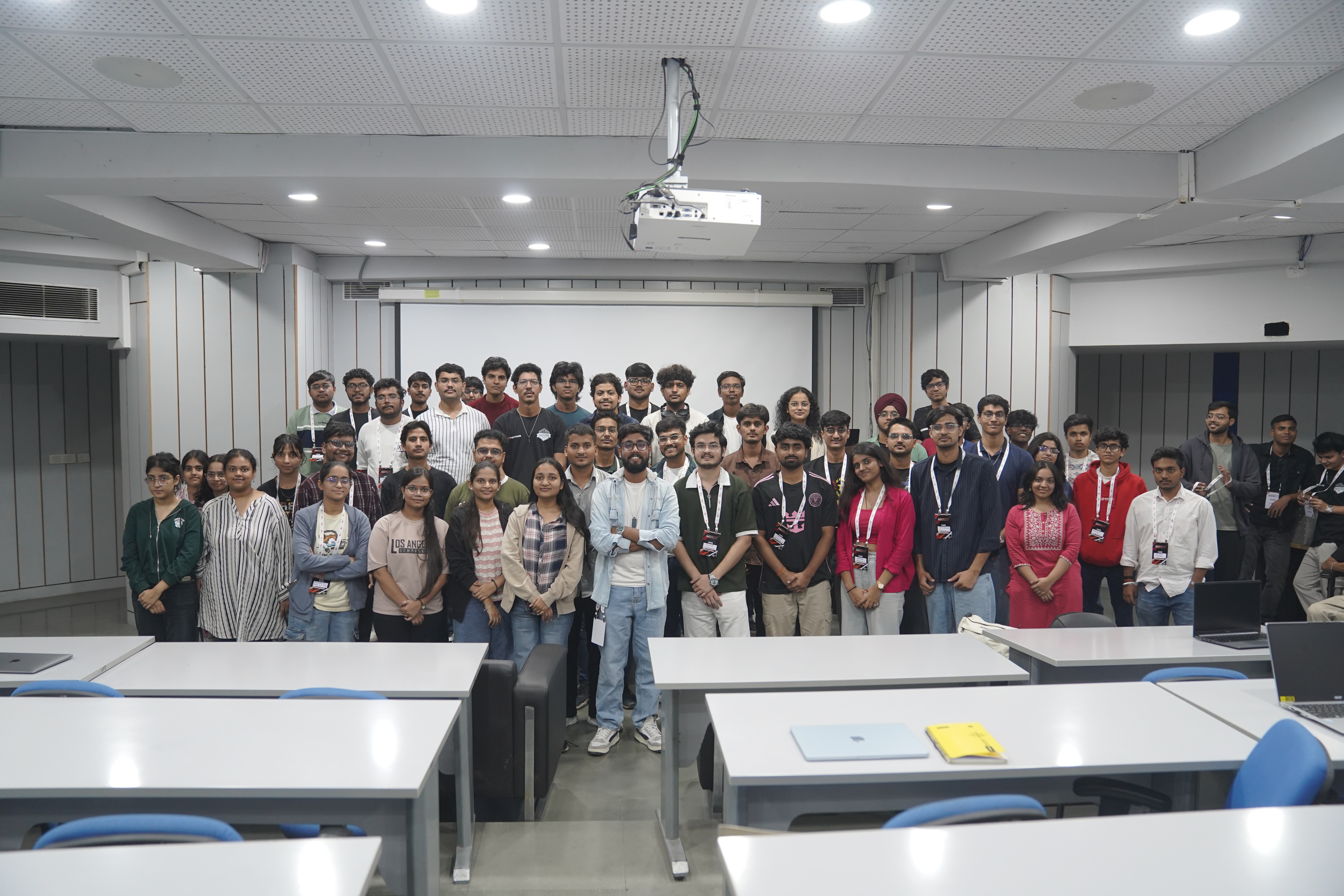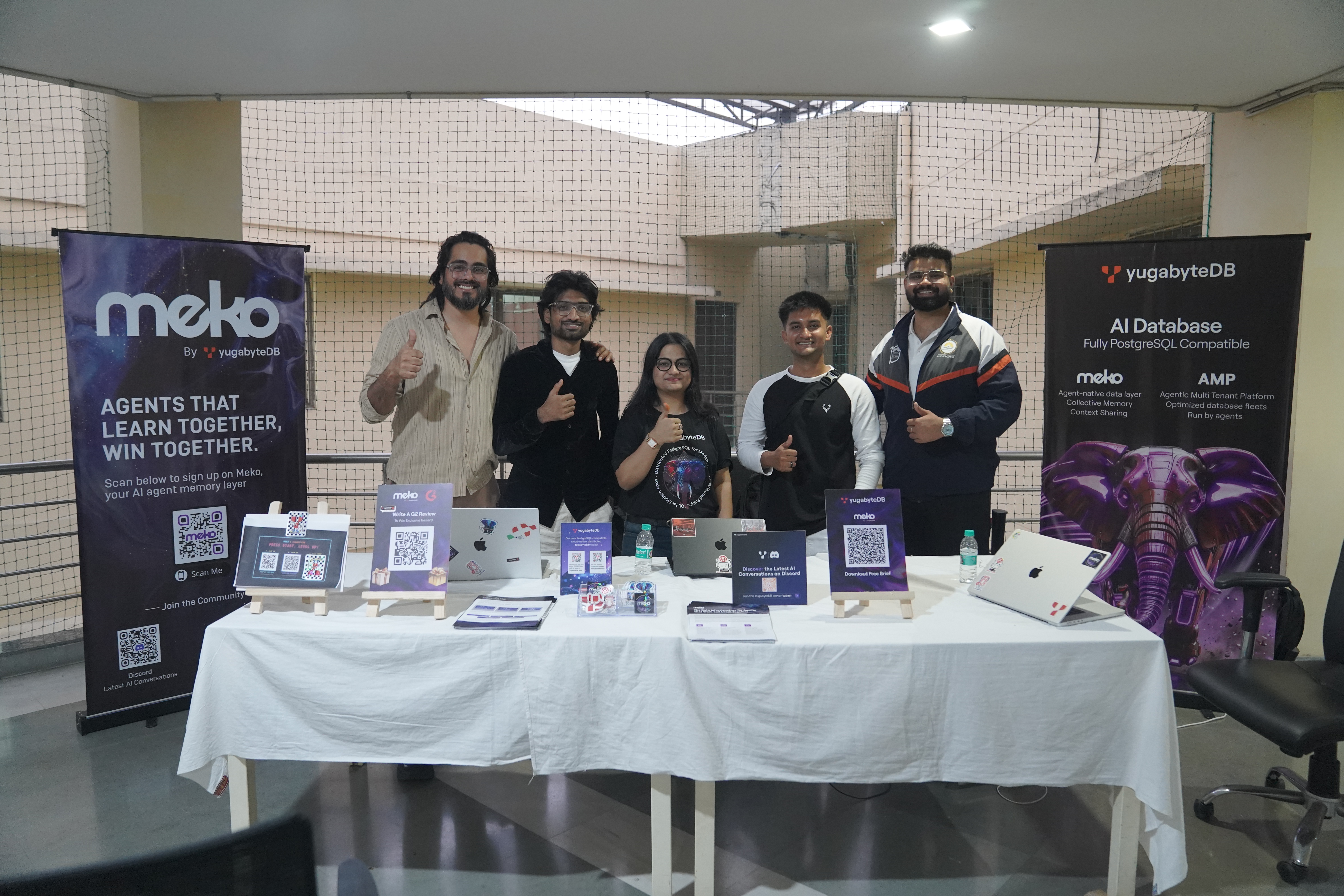
What happens when an AI agent remembers a conversation, but the next agent in the workflow has no idea what was decided? At hackCBS 9.0, YugabyteDB challenged builders to solve that handoff problem with Meko. The result was a track about agents that could carry useful context forward, work together, and pick up where a previous session left off.
YugabyteDB joined hackCBS 9.0 as our title sponsor. Its Meko challenge invited teams to build AI agents with persistent memory. The track offered a ₹50,000 first-place cash prize and a tech gadget for every member of the first runner-up team. The Yugabyte team also supported participants through a pre-event workshop and mentoring at its booth. For hackers, that meant a concrete technical problem to tackle and people who could help them work through it.
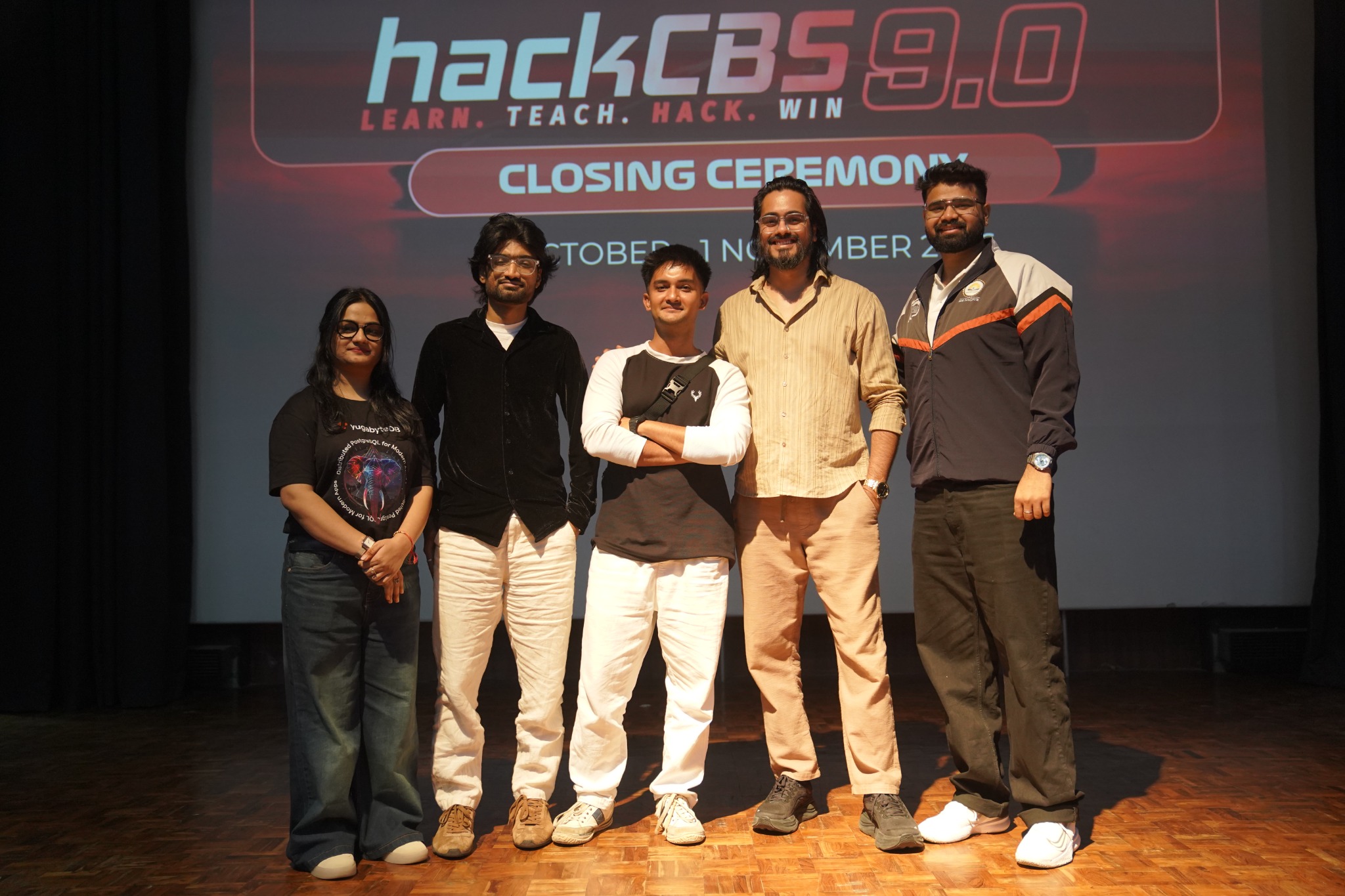
Why memory matters for agents
An agent can produce a good answer in one session and still struggle in the next. It may forget a user's preferences, repeat research another agent already did, or lose the reasoning behind an earlier decision. Those gaps become more visible when several agents collaborate on one task.
Imagine a team building a travel assistant. One agent researches routes, another compares accommodation, and a third prepares an itinerary. If each starts from scratch, the user repeats preferences and the team may make conflicting choices. Shared context lets the later agent see what has already been learned and why a choice was made. The same principle applies to coding agents, research assistants, support workflows, and other systems where work crosses sessions or people.
Meko is Yugabyte's data layer for agent applications. Built on YugabyteDB, it provides persistent memory, shared knowledge, conversation history, and decision traces. A team can use those pieces to give agents the context they need across sessions and handoffs. The challenge for hackCBS participants was to turn that capability into an experience people could use.
That also calls for judgment. An agent should retain information that helps with the next task, surface relevant context when it is needed, and make the trail of decisions understandable. Saving every message without considering how it will be used can leave the next agent with a pile of text instead of a useful memory. The track gave teams room to explore these product and engineering decisions in a working prototype.
What builders made
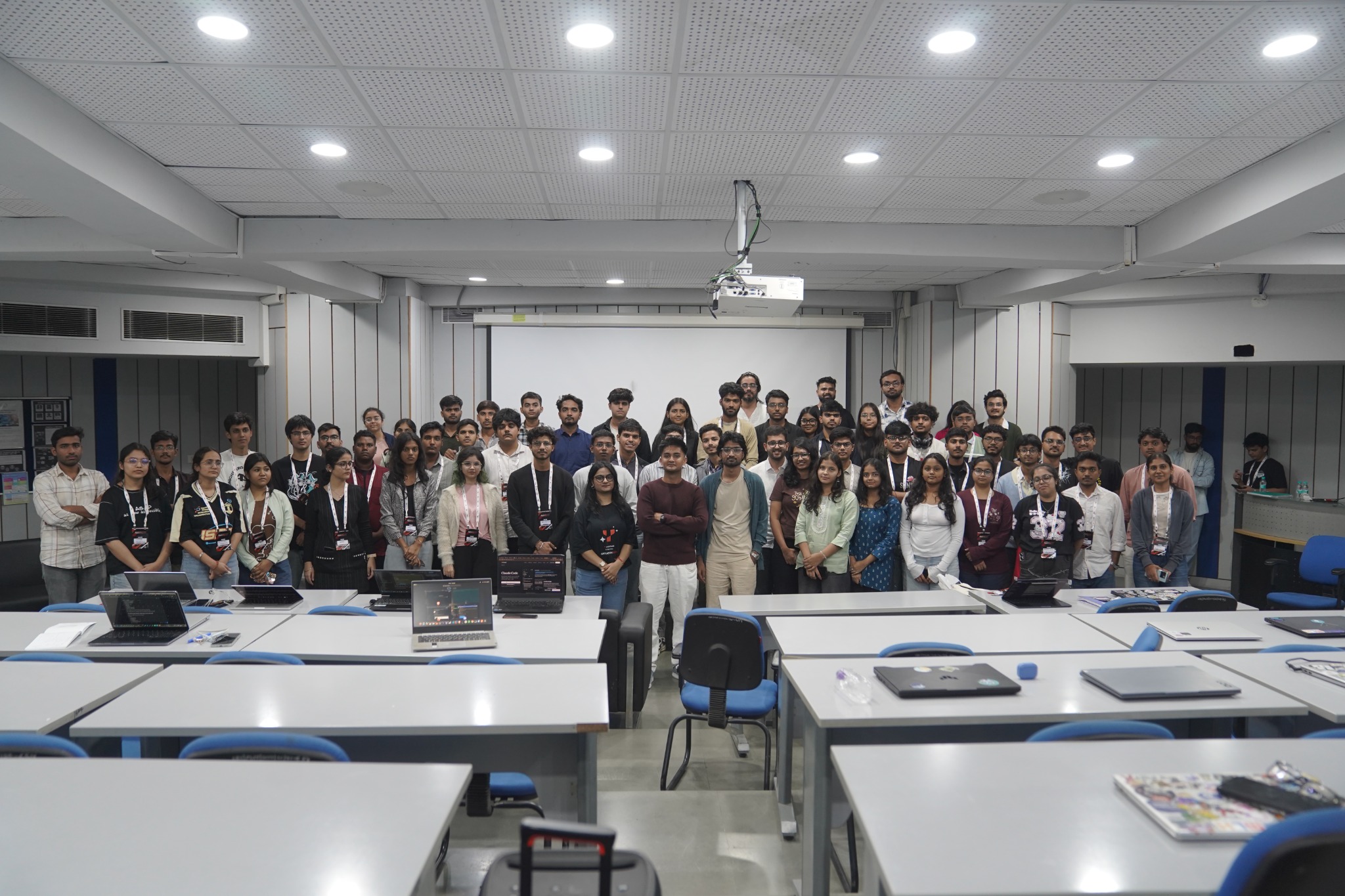
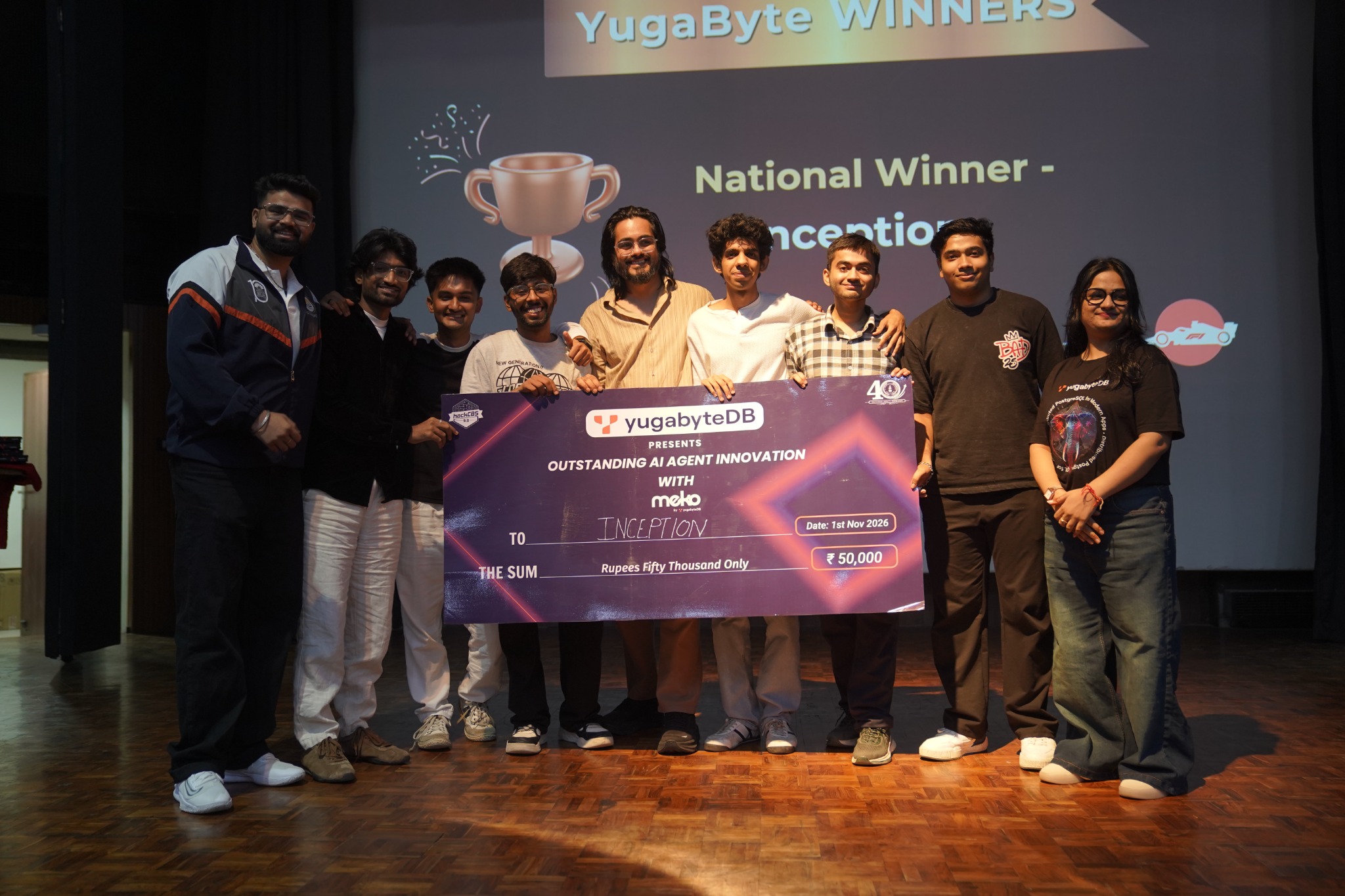
Team Inception won the Yugabyte track with Larp, a desktop harness for agent-to-agent interaction. The team used Meko as the memory and context layer so agents could carry context across their work. YugabyteDB publicly recognized the project and its makers, Ayush Yadav, Harsh Dixit, Hardik Dhingra, and Divik Arora.
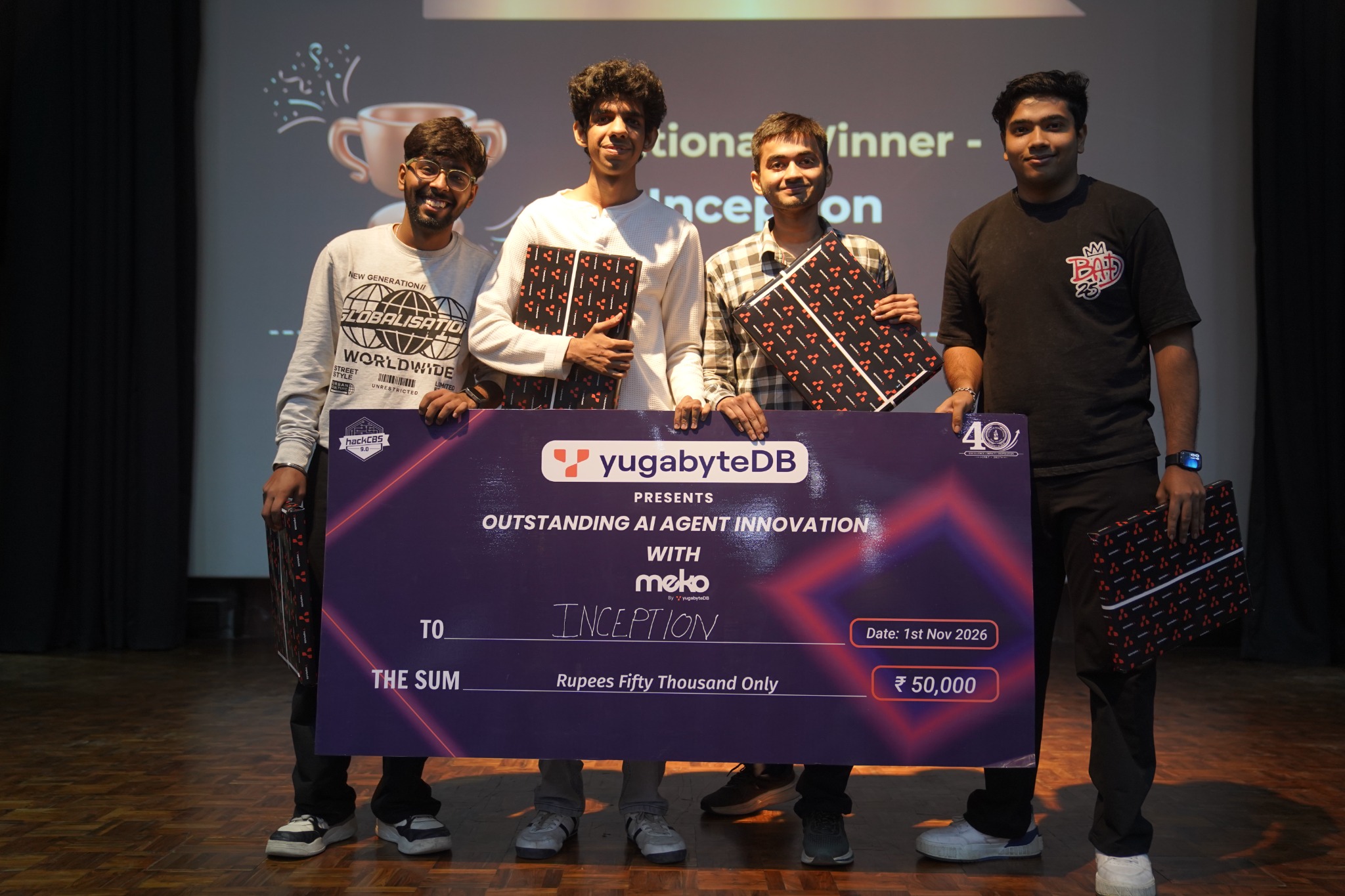
Larp's approach made the handoff visible. Personal agents could work together while staying on their owners' machines, with Meko carrying context across days and interactions. It offered a concrete answer to a question many agent demos leave open: how does the next agent know enough to continue the work? The project showed how memory can become part of the application experience rather than a feature hidden behind the prompt.
The idea points to a broader design question. When agents cooperate, what should they remember, what should they share, and how can people understand the decisions they made? A working prototype has to answer those questions through its product behavior, not just through a model prompt.
Yugabyte's team reported that more than 300 students used Meko and more than 50 projects came to life through the track. Those numbers show how many different directions builders took the same starting technology. The value of a track like this lies in that range of interpretations: one challenge can lead to tools for collaboration, personal productivity, knowledge sharing, or entirely new workflows.
The first runner-up, Team Brackets, built Diagnosia, a healthcare prototype that used a Meko datapack per patient to carry context between doctors. Team CoffeePlease built Dual Cast, which stored a live match log so AI esports commentators could refer back to earlier moments. Yugabyte highlighted both projects in its event recap. They showed how memory could support very different workflows.
Building beyond the weekend
The most exciting part of a sponsored challenge is what happens after the first demo. A hackathon gives builders a short window to test an idea with real tools, learn from mentors, and see how other teams approached the same problem. The experience can become a portfolio project, a product experiment, or simply a sharper understanding of what reliable AI agents require.
For participants who want to keep building, the next step is to test the handoff in a realistic workflow. Give an agent a task, interrupt it, bring in another agent or start a new session, and see whether the system can recover the right context without asking the user to explain everything again. That small test can reveal more about a memory design than a polished one-session demo.
Thank you to YugabyteDB for backing hackCBS 9.0 and giving our hackers a problem worth exploring. Congratulations to Team Inception and to everyone who built with Meko.
Want to explore the technology behind the track? Visit Meko and read YugabyteDB's introduction to its agent data infrastructure.
Comments
Join the discussionNo comments yet. Be the first to comment.